






…Sultan: Pray for leaders, don’t pray for their downfall
…CAN: Christians, muslims must unite against insecurity, poverty, injustice
…Akume: politics belongs in ballot, not altar, mosque
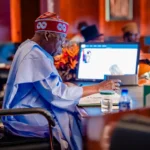
The Sultan of Sokoto and Co-Chairman of the Nigeria Inter-Religious Council (NIREC), Muhammadu Sa’ad Abubakar III, and the Secretary to the Government of the Federation (SGF), Sen. George Akume, have cautioned religious leaders against turning churches and mosques into platforms for political campaigns and division ahead of the 2027 general elections.
The Sultan specifically urged religious leaders to be mindful of what they say during sermons, prayers and other religious gatherings, insisting that they should pray for the country’s leaders rather than seek their downfall.
Speaking at the second 2026 meeting of NIREC in Abuja, held under the theme, “Shared Sacred Flourishing in Nigeria,” the Sultan said religious leaders had a responsibility to promote peace and understanding as the country approaches another election season.
The Sultan warned that religious leaders could not determine who would ultimately emerge as leader merely by praising or condemning politicians in places of worship.
He said: “We’re in to campaign for the 2027 elections. So our religious leaders must be wary of what they say at the churches or mosques or any religious gathering.
“You cannot choose a leader by shouting in the church or in the mosque about his good behaviour or his good things. Or his bad things or his bad behaviour or things like that.
“Whoever is going to be the leader, God has already chosen that person. And there’s nothing you can do about it.”
He therefore called on Nigerians to pray for their leaders, irrespective of their personal opinions about them.
“As a Muslim, I believe we must continue to pray for our leaders. Pray for the president.
Continue to pray for governors. Continue to pray for our National Assembly members. No matter how bad you think they are, continue to pray.
“That prayer will make God touch their lives, and then they will change. And then you will see better things coming out in this country.”
He also warned against prayers and public statements seeking the downfall of political office holders.
“I always feel bad when I see people shouting the same bad things about the president or governors or whatever on the pages of news or social media. Praying for their downfall, which is not right.
“Always pray for our leaders. Don’t hesitate. Whenever you pray for yourself, pray for our leaders.”
The Sultan also called on religious leaders to take a firm position against corruption, irrespective of the status or religious affiliation of those involved, as he stressed that religious identity must not be used to shield anyone accused of wrongdoing from the law.
“Whoever is involved, even our brothers, our sisters, our fathers, our friends, those involved, should face the law, and the law is not a pleasure of anybody. Whoever does something wrong, he should face the law.
“Let the EFCC Chairman go after that person, whoever it is, and deal with him according to the law. God is not corrupt, so he doesn’t like corruption. So you cannot use corrupt money to send people to Jerusalem or to Saudi Arabia for Hajj or for any other thing.”
He also used the occasion to underscore the importance of understanding between Christians and Muslims, arguing that Nigeria’s interfaith experience remained an important foundation for national stability.
“I don’t want you to tolerate me because if you tolerate me, there’s nothing you can do but to tolerate me. But if you understand me, you can work with me, I can work with you, because we know who we are to each other. So understanding is more important than toleration.”
The Sultan urged Nigerians to continue talking to one another rather than allowing suspicion and rumours to deepen divisions, saying, “Whatever the problems are, let’s set them out and let’s talk of how we resolve such problems, not to go back to our various places and then start flying false rumours.”
Co-chairman of NiREC and President of the Christian Association of Nigeria (CAN), Archbishop Daniel Okoh, similarly called for practical cooperation between Christians and Muslims, saying the country’s challenges required collective action.
Okoh identified insecurity, poverty, unemployment, inequality, communal tensions and a crisis of trust as challenges that could not be addressed through isolated religious or sectional approaches.
“As religious leaders, therefore, we must ask ourselves: What kind of Nigeria are we helping to create through our words, our actions and our influence?” he asked.
Okoh urged churches and mosques to use their influence to build bridges rather than deepen divisions.
“We can use that influence to build bridges rather than walls, promote reconciliation rather than suspicion, and encourage our followers to pursue the common good rather than narrow sectional interests.
According to him, Christians and Muslims could work together in peacebuilding, education, youth development, humanitarian assistance, poverty reduction, ethical leadership and protection of vulnerable people.
He also stressed the sanctity of human life and the need for Nigerians of different faiths to show concern for one another.
“The suffering of a Christian should concern a Muslim, just as the suffering of a Muslim should concern a Christian. When any Nigerian is killed, displaced, kidnapped or deprived of dignity, our common humanity demands that we care.”
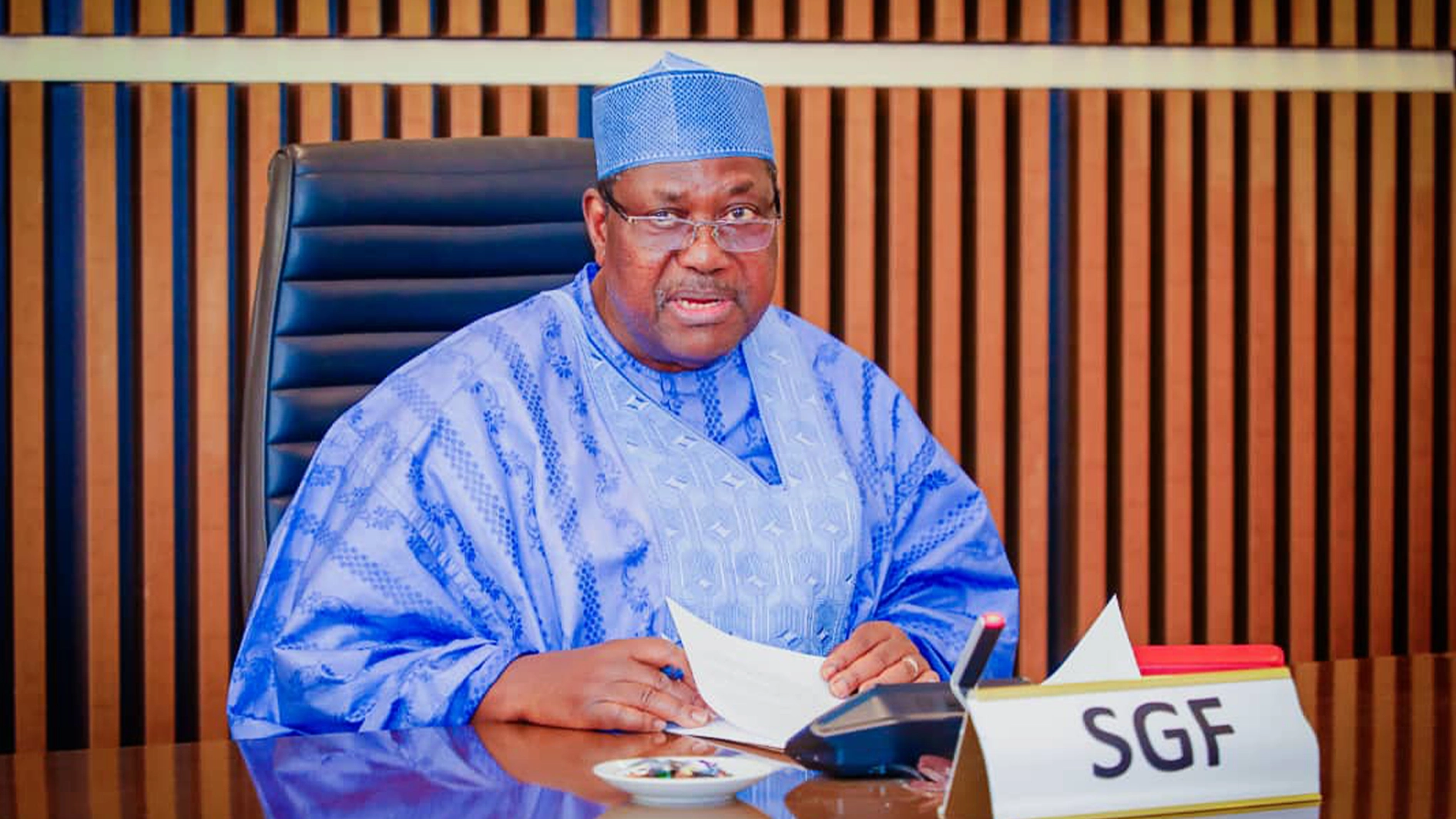
Secretary to the Government of the Federation (SGF), Sen. George Akume, urged religious and traditional leaders to ensure that political activities did not become a trigger for religious or ethnic conflict ahead of the 2027 elections.
“During the upcoming electioneering campaign, please issue the clear, unambiguous public message: that politics belongs in the ballot, not at the altar or mosque.”
The SGF further urged religious leaders to prevent political thugs from using places of worship as sanctuaries and encouraged joint Christian-Muslim peace initiatives.
“Protect your people by ensuring political thugs don’t take sanctuary in places of worship.
Foster joint prayers by churches and mosques, showing the world that Nigerians of all faiths can and do pray for the same country.”
Akume also called on religious leaders to mobilise their followers for peaceful elections, saying NIREC would convene state-level forums before the end of 2026 involving police commands, INEC officials and religious representatives to identify potential flashpoints.
He urged religious leaders to support peace caravans and counter misinformation targeting religious groups.
The SGF said the Federal Government would also support follow-up workshops in key geopolitical zones to implement commitments arising from recent interfaith peace initiatives.
On insecurity, Akume said the country was still facing serious threats from banditry, kidnapping, communal clashes and terrorism, stressing that government security efforts required the support of religious and community leaders.
“All religions must condemn the barbaric tactics of bandits and terrorists because they debase humanity and violate all that our faiths stand for. We must stand together today saying: enough is enough.”
Akume further called for closer cooperation between security agencies and NIREC, including the establishment of liaison desks at strategic locations to facilitate real-time sharing of threat information.
He linked security directly to economic development, warning that communities could not prosper where people lived in fear.
“No community can develop when fear stalks its streets. Investors will remain on the sidelines, and parents will keep their children at home, if they cannot walk safely to the marketplace or the school.”
The NiREC meeting also featured tributes to its outgoing Executive Secretary, Prof. Cornelius Omonokhua, who was credited with transforming the council over his eight-year tenure.
Source: New Telegraph